
The Patent Files: It's Official
- 2026-08-14 16:08:18
On Monday, August 10th, the Taiwan government officially granted my father's patent.
That's the punchline to everything we've been building toward on this blog. What started as a vague idea — "a patent project, somewhere in 3C electronics" — has a name, a filing, and now, legal recognition. The open-ear audio innovation we broke down in the last post isn't just a concept anymore. It's protected.
And the timing couldn't be better, because the story doesn't stop here.
The first physical design is already in motion, and it's going to be disclosed to me soon. Once I see it, this blog will see it — the real, tangible product behind everything we've been unpacking.
We went from "what's cookin'" to a granted patent in a matter of weeks. Stay close — the reveal is next.
Cure Omama
- 2026-08-14 16:02:49

Some cures don't come from a lab. Some come with four legs, a wagging tail, and absolutely no personal space boundaries.Meet Omama — official chief of morale, professional face-nuzzler, and my dad's favorite reason to sit outside a little longer. This one was taken in the middle of his garden, surrounded by all the plants he's spent years fussing over, wearing what might be the single greatest sun hat in Taiwan. And judging by that grin, Omama's kisses are working exactly as intended.
Between patent filings, prototypes, and everything else going on right now, it's moments like these that keep things in perspective. Good dog. Good hat. Good day.
The Evolution of Smart Glasses: How Audio Changed the Game (2021–2026)
- 2026-07-26 01:48:50
The Evolution of Smart Glasses: How Audio Changed the Game (2021–2026)
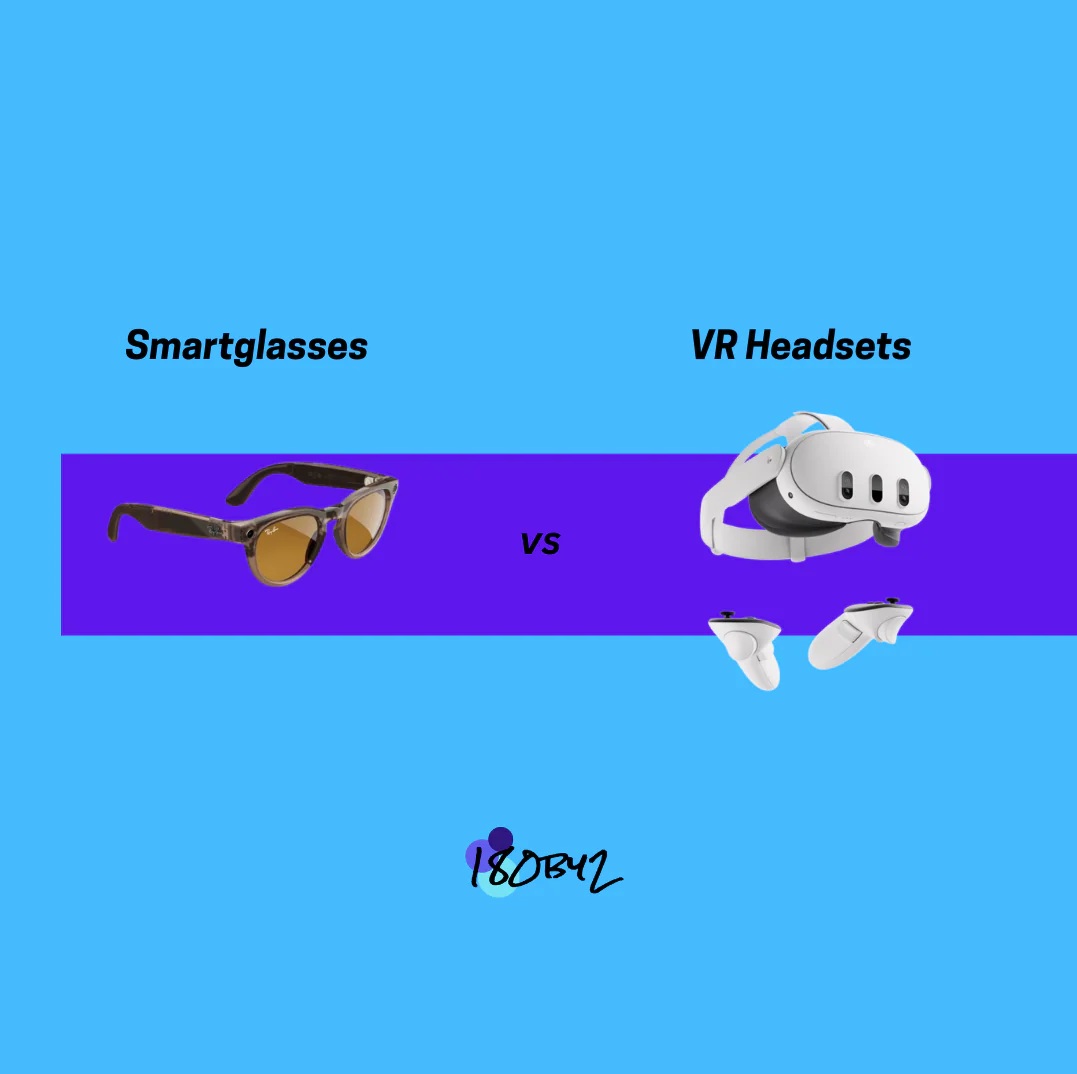
Over the last five years, mobility products have taken a massive leap forward. We have watched major tech giants—Meta, HTC, Apple, and Samsung—transition from building bulky virtual reality headsets to designing sleek, everyday smart glasses.
But while most people focus on the digital screens and hidden cameras, the real unsung hero of this wearable revolution is audio.
The Five-Year Sprint
Since 2021, the race to build the perfect pair of smart glasses has been fierce:
Meta: Partnered with Ray-Ban to create stylish glasses that look completely normal but pack a powerful technological punch.
HTC: Shifted towards lightweight, portable headsets designed for relaxation, focus, and media viewing on the go.
Apple: Introduced "spatial computing," perfectly blending digital sound and visuals with the real world.
Samsung: Collaborated behind the scenes to develop lightweight, everyday mobility frames to compete in the smart wearable space.
While their visual approaches differ, they all faced the exact same problem: How do you deliver great sound without plugging up the user's ears?
The Secret to Smart Glasses Audio
If you put on a pair of modern smart glasses, you will not find any earbuds or wires. Instead, the magic happens right inside the frame.
These glasses use a technology called Open-Ear Directional Audio.
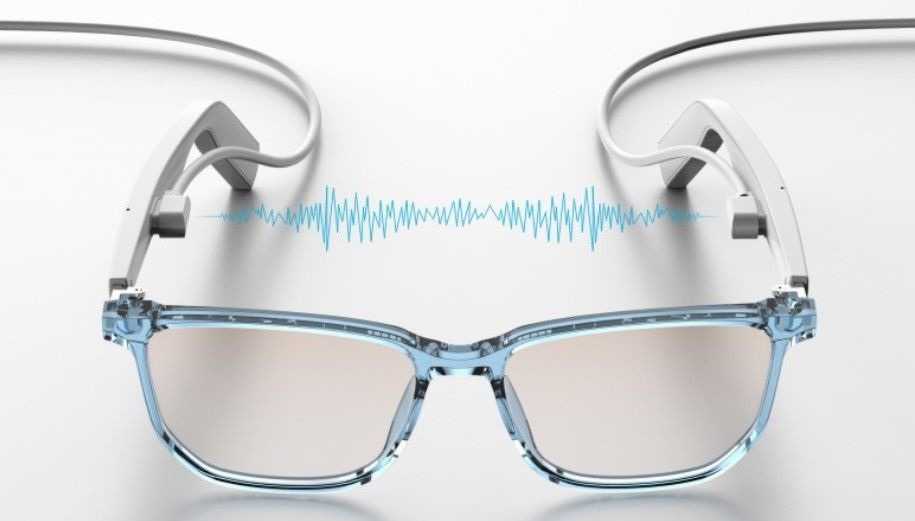
Here is how it works in uncomplicated terms: Tiny, high-powered speakers are hidden inside the arms of the glasses, resting just above your ears. Instead of blasting music out loud in all directions like a phone speaker, these speakers "beam" the sound waves downward, directly into your ear canal.
Why Users Love It
This audio setup satisfies a very specific user need: Balance.
The Private Sound Bubble: Because the sound is beamed directly at you, the audio sounds clear and rich to your ears, but the person sitting next to you hears little to nothing.
Staying Aware: Because your ears are not physically blocked by plastic or foam, you can still hear the world around you. You can listen to a podcast while walking down the street and still safely hear traffic, subway announcements, or someone saying hello.
All-Day Comfort: Traditional earbuds can cause ear fatigue or headaches after a few hours. Glasses simply rest on your face, allowing you to wear them all day without any physical discomfort.

The Future Sounds Great
As we look at the patents and innovations driving these mobility products forward, one thing is clear: the goal is no longer to isolate the user from the world. The goal is to enhance the world they are already walking through, and perfect, invisible audio is the key to making that happen.